Physiotherapy and Rehabilitation

- Description
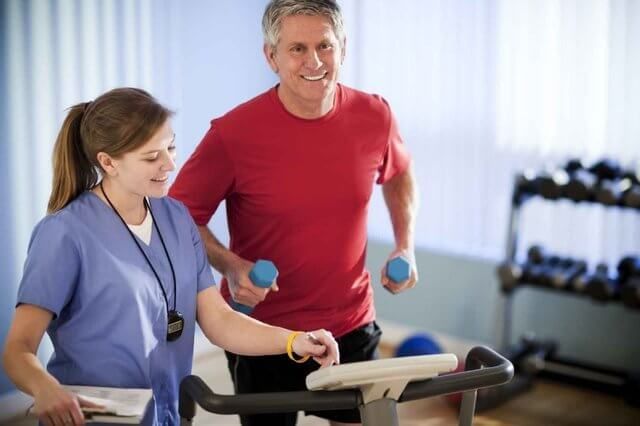
The primary goal of this quick start guide is to introduce you to the world of Physiotherapy and Rehabilitation and provide a comprehensive overview of how these disciplines help individuals recover from injuries, manage chronic conditions, and improve their overall physical function. By the end of this guide, you’ll have a clear understanding of the scope of physiotherapy and rehabilitation, the benefits of these services, and how to find qualified professionals.
This quick start guide also covers essential information about common conditions treated by physiotherapists and rehabilitation specialists, such as musculoskeletal injuries, neurological conditions, and chronic pain. By the time you finish, you’ll feel empowered to take proactive steps towards improving your physical well-being and seeking appropriate rehabilitation services when needed.
Main Features of Physiotherapy and Rehabilitation
- Focus on Movement and Function: Physiotherapy and rehabilitation are interrelated fields that aim to optimize physical function and quality of life through movement and exercise.
- Conditions Treated:
- Musculoskeletal Conditions:
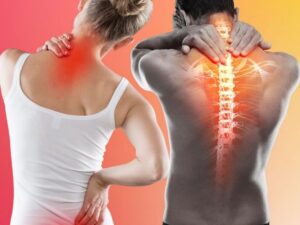
- Back pain, neck pain, arthritis, joint replacements, sprains, strains, fractures.
- Neurological Conditions:
- Stroke, spinal cord injury, Parkinson’s disease, multiple sclerosis, cerebral palsy.
- Cardiovascular Conditions:
- Heart attack, heart surgery, chronic obstructive pulmonary disease (COPD).
- Orthopedic Conditions:
- Hip and knee replacements, spinal surgeries.
- Neurodevelopmental Conditions:
- Cerebral palsy, autism spectrum disorder.
- Chronic Pain Conditions:
- Fibromyalgia, chronic fatigue syndrome.
- Musculoskeletal Conditions:
Common Therapeutic Techniques
- Exercise Therapy:
- A cornerstone of physiotherapy, involving a range of exercises to improve strength, flexibility, balance, coordination, and endurance.
- Manual Therapy:
- Hands-on techniques such as massage, joint mobilization, and manipulation to improve joint mobility, reduce pain, and promote tissue healing.
- Electrotherapy:
- Using electrical stimulation to reduce pain, stimulate muscles, and promote tissue healing.
- Hydrotherapy:
- Utilizing water-based exercises for therapeutic benefits, such as reducing weight-bearing stress and improving circulation.
- Occupational Therapy:
- Focusing on improving daily living skills and activities of daily living.
Benefits of Physiotherapy and Rehabilitation
- Pain Reduction:
- Effectively managing pain and discomfort associated with various conditions.
- Improved Mobility and Function:
- Enhancing movement, balance, coordination, and overall physical function.
- Faster Recovery:
- Accelerating recovery from injuries and surgeries.
- Increased Independence:
- Helping individuals regain independence in their daily lives.
- Improved Quality of Life:
- Enhancing overall well-being and participation in daily activities.
What is the target audience?
- Individuals recovering from injuries or surgeries.
- Individuals with chronic conditions affecting mobility and function.
- Older adults seeking to maintain their physical independence.
- Athletes seeking to improve performance and prevent injuries.
- Individuals interested in improving their overall physical health and well-being.
Physiotherapy and rehabilitation play a crucial role in helping individuals of all ages achieve their optimal physical function and quality of life. By providing accurate and up-to-date information, this guide aims to empower individuals to seek appropriate rehabilitation services and take proactive steps towards improving their physical health.