Pediatric Orthopaedic

- Description
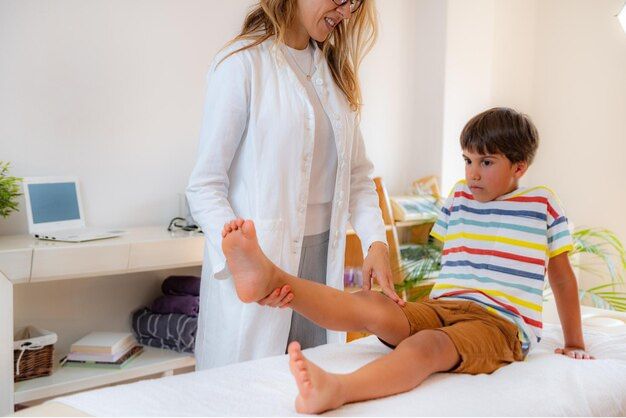
The primary goal of this quick start guide is to introduce you to the world of Pediatric Orthopedics and provide a comprehensive overview of common musculoskeletal conditions in children, diagnostic approaches, and treatment options. By the end of this guide, you’ll have a clear understanding of how children’s bones and joints differ from adults, the importance of early diagnosis and treatment, and how to find qualified pediatric orthopedic specialists.
This quick start guide also covers essential information about common conditions like developmental dysplasia of the hip, clubfoot, scoliosis, and sports injuries in children. By the time you finish, you’ll feel empowered to address any concerns about your child’s musculoskeletal health.
Main Features of Pediatric Orthopedics
- Focus on Children’s Musculoskeletal System: Pediatric orthopedics specializes in the diagnosis and treatment of musculoskeletal conditions in children, including bones, joints, muscles, ligaments, and tendons.
- Unique Considerations: Children’s bones and joints are still growing and developing, requiring specialized care and treatment approaches.
- Common Conditions:
- Developmental Dysplasia of the Hip (DDH): Abnormal development of the hip joint.
- Clubfoot: A birth defect affecting the shape of the foot.
- Scoliosis: An abnormal curvature of the spine.
- Leg Length Discrepancy: Unequal leg lengths.
- Fractures: Broken bones.
- Sports Injuries: Common in active children, such as sprains, strains, and growth plate injuries.
- Infections: Bone infections (osteomyelitis), joint infections (septic arthritis).
- Tumors: Benign and malignant bone tumors.
Diagnostic Approaches
- Physical Examination:
- Detailed assessment of the child’s physical development and any musculoskeletal abnormalities.
- Imaging Studies:
- X-rays, ultrasounds, CT scans, and MRI to visualize bones, joints, and soft tissues.
- Blood Tests:
- To rule out infections or other underlying conditions.
Treatment Options
- Observation and Monitoring:
- For some conditions, such as minor sprains, observation and monitoring may be sufficient.
- Physical Therapy and Rehabilitation:
- To improve strength, flexibility, and range of motion.
- Bracing and Casting:
- To correct deformities, immobilize fractures, and support injured areas.
- Surgery:
- May be necessary for more complex conditions, such as fractures, spinal deformities, and certain hip conditions.
Benefits of Seeking Pediatric Orthopedic Care
- Early Diagnosis and Treatment:
- Early intervention can often prevent long-term complications and improve outcomes.
- Personalized Treatment Plans:
- Tailored treatment plans that address the specific needs and developmental stage of the child.
- Improved Quality of Life:
- Addressing musculoskeletal issues can improve mobility, reduce pain, and enhance a child’s overall quality of life.
What is the target audience?
- Parents and caregivers of children with concerns about their child’s musculoskeletal health.
- Pediatricians and other healthcare professionals.
- Individuals interested in children’s health and development.
Pediatric orthopedics plays a crucial role in ensuring that children grow and develop normally. By providing accurate and up-to-date information, this guide aims to empower parents and caregivers to recognize potential issues and seek appropriate medical attention for their children’s musculoskeletal health.