Gynecology

- Description
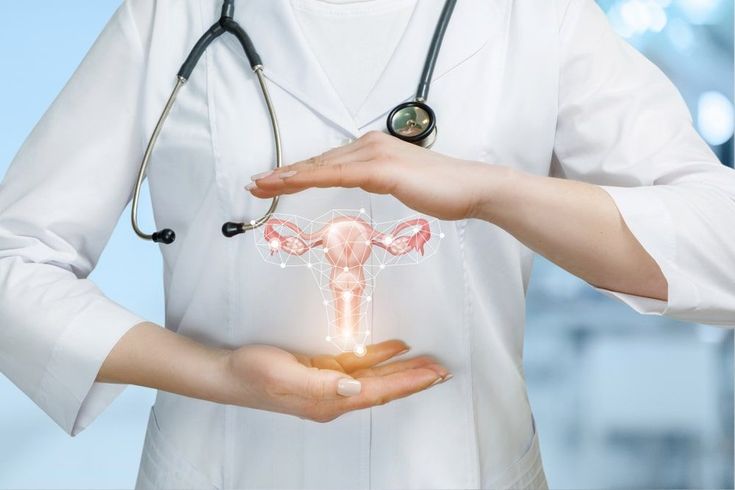
The primary goal of this quick start guide is to introduce you to the world of gynecology and provide a comprehensive overview of women’s reproductive health, common conditions, and preventive care. By the end of this guide, you’ll have a clear understanding of the scope of gynecology, the importance of regular checkups, and how to maintain optimal reproductive health.
This quick start guide also covers essential information about common gynecological conditions, such as menstrual irregularities, infections, and reproductive cancers. By the time you finish, you’ll feel empowered to take proactive steps towards maintaining your reproductive health and seeking appropriate medical attention when needed.
Main Features of Gynecology
- Focus on Women’s Reproductive Health: Gynecology is the branch of medicine that focuses on the health of the female reproductive system, including the uterus, ovaries, fallopian tubes, vagina, and vulva.
- Comprehensive Care:
- Covers a wide range of women’s health issues, including:
- Menstrual cycle concerns (irregular periods, heavy bleeding, painful periods)
- Reproductive infections (like yeast infections, bacterial vaginosis, sexually transmitted infections)
- Infertility
- Menopause and menopausal symptoms (hot flashes, night sweats, mood changes)
- Contraception and family planning
- Pregnancy and childbirth (though often in collaboration with obstetricians)
- Gynecologic cancers (cervical, ovarian, uterine, breast)
- Covers a wide range of women’s health issues, including:
Common Gynecological Conditions
- Menstrual Disorders: Irregular periods, heavy bleeding, painful periods (dysmenorrhea), amenorrhea (absence of menstruation).
- Pelvic Inflammatory Disease (PID): An infection of the female reproductive organs.
- Endometriosis: A condition where tissue similar to the lining of the uterus grows in other parts of the body.
- Urinary Incontinence: Involuntary leakage of urine.
- Pelvic Organ Prolapse: The descent or falling of the pelvic organs (uterus, bladder, rectum) from their normal position.
Preventive Care
- Regular Checkups:
- Annual gynecological exams, including pelvic exams and Pap smears.
- Breast self-exams and clinical breast exams.
- Contraception:
- Choosing the most appropriate birth control method for individual needs.
- Vaccinations:
- HPV vaccination to prevent cervical cancer.
- Healthy Lifestyle:
- Maintaining a healthy weight, engaging in regular physical activity, and eating a balanced diet.
Benefits of Seeking Gynecological Care
- Early Detection and Treatment:
- Early detection and treatment of gynecological conditions can improve outcomes and prevent complications.
- Improved Reproductive Health:
- Maintaining good reproductive health can improve quality of life and overall well-being.
- Prevention of Serious Health Issues:
- Regular checkups and preventive measures can help prevent serious health problems, such as cervical cancer.
What is the target audience?
- All women, regardless of age.
- Adolescents and young women transitioning into adulthood.
- Women experiencing any gynecological symptoms.
- Individuals seeking information about women’s health and reproductive health.
Gynecology plays a crucial role in women’s health and well-being throughout their lifespan. By providing accurate and up-to-date information, this guide aims to empower individuals to take proactive steps towards maintaining optimal reproductive health and seeking appropriate medical attention when needed.