Weight Management

- Description
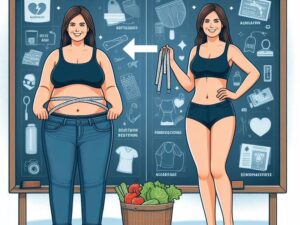
A weight-loss program is more than a book or app that promises to help you lose weight. It is a formal program that gives you ongoing guidance and support to build healthy lifestyle habits that may promote weight loss. The program should include
- a healthy, reduced-calorie eating and drinking plan
- a plan for increasing physical activity if appropriate
- guidance and support for adopting these lifestyle habits
- a plan for keeping the weight off
If you have overweight or obesity, losing weight may prevent or reduce weight-related problems, such as high blood pressure NIH external link, heart disease NIH external link, and diabetes. Losing weight may also improve your quality of life. Ask your health care professional about safe and effective ways to lose weight.
If you feel uneasy talking about your weight, practice talking about your concerns before your office visit and bring your questions with you. Sample questions can include
- “Am I at a healthy weight?”
- “How is my weight affecting my health?”
- “Will losing weight improve my general health, as well as specific health problems I have?”
What is the target audience?
If your health care professional advises you to lose weight, ask about safe and effective ways to do so. For many adults, treating overweight and obesity starts with lifestyle changes. Your health care professional may work with you to develop a weight-loss program tailored to your needs and preferences. They may also refer you to a registered dietitian or a specific program. If you already have a weight-loss program in mind, ask your health care professional if the program may be a good fit for you.
Overweight and obesity may also be treated with weight-loss medicines and weight-loss surgery, also called metabolic and bariatric surgery. Health care professionals most often recommend lifestyle changes along with medicines or surgery. Ask your health care professional whether you should consider these options.