Blog
Radiation Oncology
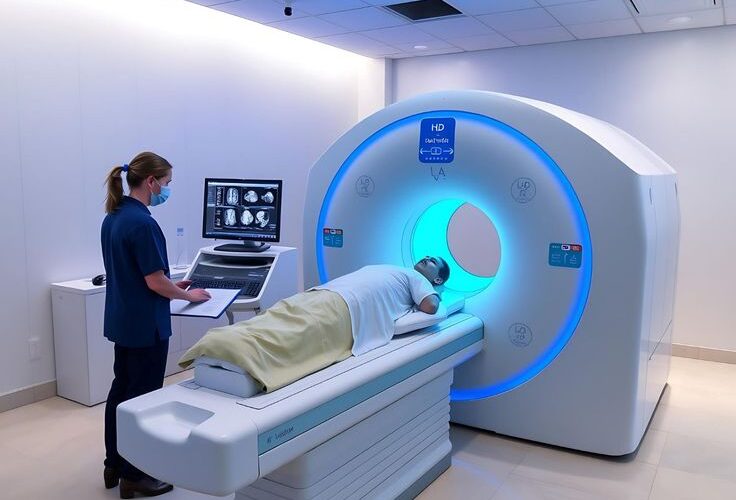
The primary goal of this quick start guide is to introduce you to the world of radiation oncology and provide a comprehensive overview of its role in cancer treatment, different types of radiation therapy, and what to expect during the treatment process. By the end of this guide, you’ll have a clear understanding of how radiation therapy works, its potential side effects, and the importance of a multidisciplinary approach to cancer care.
This quick start guide also covers essential information about preparing for radiation therapy, managing side effects, and finding support resources. By the time you finish, you’ll feel informed and empowered to navigate your radiation therapy journey.
Main Features of Radiation Oncology
- Cancer Treatment:
- Utilizing high-energy rays to kill cancer cells or stop them from growing.
- Often used in conjunction with other treatments like surgery and chemotherapy.
- Types of Radiation Therapy:
- External Beam Radiation Therapy: Delivering radiation from a machine outside the body.
- Internal Radiation Therapy (Brachytherapy): Placing radioactive sources directly within or near the tumor.
- Stereotactic Radiosurgery: High-precision radiation delivered in a single or few treatments.
- Proton Therapy: Utilizing proton beams for more precise targeting of tumors.
- Consultation with a Radiation Oncologist:
- Detailed evaluation of your individual case, including tumor characteristics, medical history, and overall health.
- Development of a personalized treatment plan tailored to your specific needs.
- Understanding the Risks and Benefits:
- Discussing potential side effects and their management strategies.
- Weighing the benefits of radiation therapy against potential risks.
Benefits of Radiation Oncology
- Effective Cancer Treatment Can be used to cure certain types of cancer or control tumor growth.
- Effective Cancer Treatment Can improve the effectiveness of other treatments like surgery and chemotherapy.
- Advanced technologies allow for precise delivery of radiation to the tumor while minimizing damage to surrounding healthy tissues.
Advanced Techniques and Technology
- Intensity-Modulated Radiation Therapy (IMRT):
- Delivering radiation in precise shapes and intensities to conform to the tumor’s shape.
- Cyberknife and Gamma Knife:
- Advanced radiosurgery techniques for highly precise and effective treatment of brain and other tumors.
- Image-Guided Radiation Therapy (IGRT):
- Utilizing imaging techniques like CT scans and MRI to ensure accurate tumor targeting during treatment.
What is the target audience?
- Patients diagnosed with cancer who are considering radiation therapy as part of their treatment plan.
- Family and caregivers of cancer patients undergoing radiation therapy.
- Healthcare professionals interested in learning more about the role of radiation oncology in cancer care.
- Individuals seeking general information about cancer treatment options.
Radiation oncology plays a crucial role in the fight against cancer. By providing accurate and up-to-date information, this guide aims to empower patients and their families to make informed decisions about their treatment options and navigate the radiation therapy journey with confidence.