
LVAD Implantation

- Description
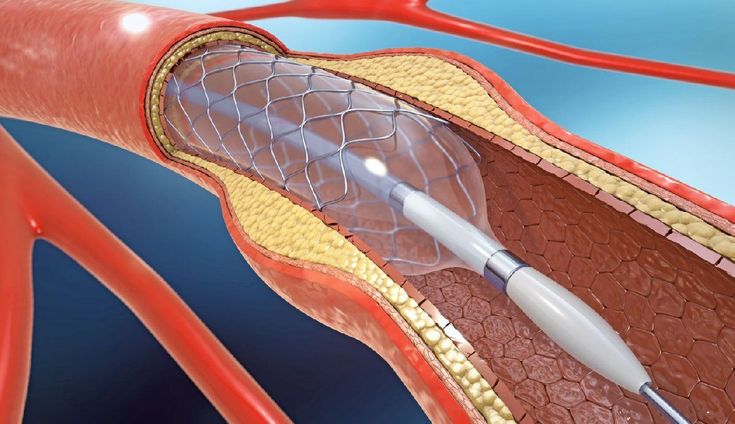
The primary goal of this quick start guide is to introduce you to the world of Left Ventricular Assist Device (LVAD) implantation and provide a comprehensive overview of this life-saving procedure, including its benefits, risks, and the journey involved. By the end of this guide, you’ll have a clear understanding of LVAD implantation as a treatment option for advanced heart failure and the factors that contribute to its success.
This quick start guide also covers essential information about the LVAD device itself, the surgical procedure, post-operative care, and the impact of LVAD implantation on daily life. By the time you finish, you’ll feel informed and empowered to make informed decisions about your heart health and explore the possibility of LVAD implantation if it is a viable option for you.
Main Features of LVAD Implantation
- Treatment for Advanced Heart Failure: LVAD implantation is a surgical procedure that involves implanting a mechanical pump to assist the left ventricle of the heart in pumping blood throughout the body.
- For Patients with Severe Heart Failure: This procedure is typically considered for patients with severe heart failure that cannot be effectively treated with medications or other therapies.
- Bridge to Transplant: LVADs can be used as a bridge to heart transplantation, providing temporary support while awaiting a donor heart.
- Bridge to Recovery: In some cases, LVADs can be used as a bridge to recovery, allowing the heart to rest and potentially improve its function.
- Destination Therapy: For patients who are not eligible for heart transplantation, LVADs can be used as a long-term treatment option.
Benefits of LVAD Implantation
- Improved Quality of Life:
- Significantly improved quality of life with increased energy levels, reduced fatigue, and the ability to resume normal activities.
- Relief from debilitating symptoms such as shortness of breath, chest pain, and fluid retention.
- Increased Lifespan:
- LVAD implantation can significantly extend the lifespan of patients with advanced heart failure.
- Reduced Reliance on Medications:
- May reduce the need for certain medications and improve overall heart function.
Risks of LVAD Implantation
- Surgical Complications:
- Risks associated with any major surgery, such as bleeding, infection, and stroke.
- Device Complications:
- Potential for device malfunction, infection at the implant site, and driveline complications.
- Bleeding:
- Risk of bleeding, especially in the early postoperative period.
- Stroke:
- Potential risk of stroke due to blood clots or other complications.
- Infection:
- Increased risk of infection due to the presence of a foreign object in the body.
The LVAD Implantation Journey
- Evaluation and Assessment:
- Comprehensive medical evaluation to determine candidacy for LVAD implantation, including tests, imaging studies, and psychological assessments.
- Surgical Procedure:
- Open-heart surgery to implant the LVAD device.
- Post-Operative Care:
- Intensive care unit stay followed by a period of rehabilitation.
- Lifelong monitoring and medication management to manage potential complications.
- Adjustments to Lifestyle:
- Learning to live with the LVAD device, including battery management, travel considerations, and activity restrictions.
What is the target audience?
- Individuals with advanced heart failure considering LVAD implantation.
- Family members and caregivers of patients with heart failure.
- Healthcare professionals involved in heart failure treatment.
- Individuals interested in advanced cardiac therapies.
LVAD implantation offers a life-changing option for patients with advanced heart failure. By providing accurate and up-to-date information, this guide aims to empower individuals to make informed decisions about their heart health and understand the complexities of this advanced medical technology.