
Fertility

- Description
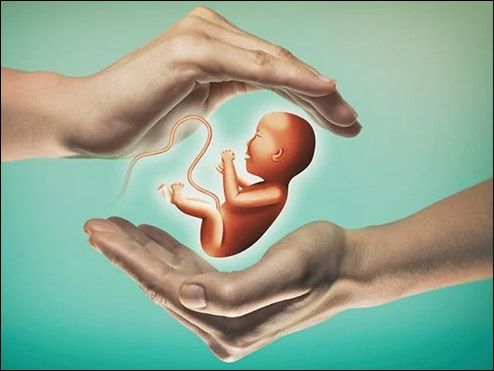
The primary goal of this quick start guide is to introduce you to the world of fertility and provide a comprehensive overview of factors affecting fertility, common causes of infertility, and available treatment options. By the end of this guide, you’ll have a clear understanding of fertility, the importance of early identification of potential issues, and the available resources for couples seeking to conceive.
This quick start guide also covers essential information about lifestyle factors that impact fertility, common fertility tests, and the emotional aspects of infertility. By the time you finish, you’ll feel informed and empowered to make informed decisions about your family planning journey.
Main Features of Fertility
- The Ability to Conceive: Fertility refers to the ability to conceive a child naturally.
- Factors Affecting Fertility:
- Female Factors: Ovulation disorders, endometriosis, blocked fallopian tubes, uterine abnormalities, premature ovarian failure.
- Male Factors: Low sperm count, poor sperm motility, erectile dysfunction, hormonal imbalances.
- Lifestyle Factors:
- Age: Female fertility declines significantly after age 35.
- Weight: Both underweight and overweight can negatively impact fertility.
- Smoking: Smoking can damage eggs and sperm.
- Alcohol Consumption: Excessive alcohol consumption can impair fertility.
- Stress: High levels of stress can disrupt hormonal balance.
- Certain Medications: Some medications can interfere with fertility.
Common Fertility Treatments
- Medications:
- Fertility drugs to stimulate ovulation.
- Medications to treat hormonal imbalances.
- Intrauterine Insemination (IUI):
- Placing sperm directly into the uterus around the time of ovulation.
- In Vitro Fertilization (IVF):
- Fertilizing eggs with sperm in a laboratory and then transferring the embryos into the uterus.
- Other Assisted Reproductive Technologies (ART):
- Intracytoplasmic sperm injection (ICSI), egg donation, surrogacy.
Benefits of Seeking Fertility Treatment
- Achieving Pregnancy:
- Assisting couples in overcoming infertility and achieving their dream of having a child.
- Improving Quality of Life:
- Addressing the emotional and psychological impact of infertility.
- Personalized Treatment Plans:
- Providing individualized treatment plans based on the specific causes of infertility.
What is the target audience?
- Couples trying to conceive who are experiencing difficulty.
- Individuals considering fertility preservation options (e.g., egg freezing).
- Healthcare professionals involved in fertility treatment.
- Individuals seeking information about reproductive health and family planning.
Fertility is a complex and personal issue. By providing accurate and up-to-date information, this guide aims to empower individuals and couples to make informed decisions about their family planning journey and seek appropriate medical assistance when needed.