
Urology Treatment

- Description
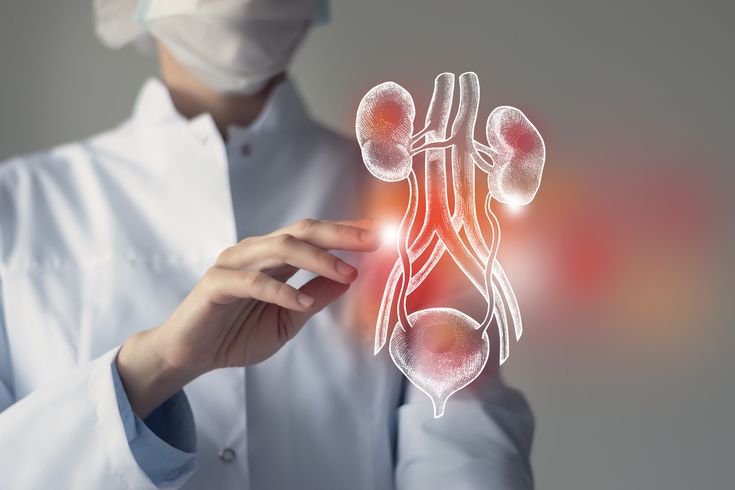
The primary goal of this quick start guide is to introduce you to the world of urology and provide a comprehensive overview of common conditions, diagnostic procedures, and treatment options. By the end of this guide, you’ll have a clear understanding of the scope of urology, the importance of preventive measures, and how to find qualified urologists.
This quick start guide also covers essential information about common urinary tract conditions, such as kidney stones, urinary tract infections (UTIs), and prostate problems. By the time you finish, you’ll feel empowered to take proactive steps towards maintaining optimal urinary tract health.
Main Features of Urology
- Focus on the Urinary Tract: Urology is the branch of medicine that focuses on the diagnosis and treatment of diseases of the urinary tract in both men and women.
- Conditions Treated:
- Kidney stones: Hard deposits that form in the kidneys.
- Urinary Tract Infections (UTIs): Infections that can occur anywhere in the urinary tract.
- Bladder cancer: Cancer that develops in the lining of the bladder.
- Prostate cancer: Cancer of the prostate gland in men.
- Benign Prostatic Hyperplasia (BPH): Enlargement of the prostate gland.
- Erectile Dysfunction: Difficulty achieving or maintaining an erection.
- Incontinence: Loss of bladder control.
- Kidney disease: Conditions affecting kidney function.
Diagnostic Procedures
- Urinalysis:
- Examination of urine to check for signs of infection, blood, or other abnormalities.
- Blood Tests:
- To assess kidney function, detect infections, and evaluate hormone levels.
- Imaging Studies:
- X-rays, CT scans, and ultrasounds to visualize the urinary tract.
- Cystoscopy:
- Using a thin, flexible tube with a camera to examine the inside of the bladder and urethra.
- Biopsy:
- Removing a small tissue sample for examination under a microscope.
Treatment Options
- Medications:
- To treat infections, relieve symptoms, and manage conditions like BPH and erectile dysfunction.
- Surgery:
- For conditions such as kidney stones, prostate cancer, and bladder cancer.
- Minimally Invasive Procedures:
- Using advanced techniques like laser therapy and robotic surgery to minimize invasiveness and improve recovery.
- Lifestyle Modifications:
- Dietary changes, fluid intake, and smoking cessation can help prevent and manage some urological conditions.
Benefits of Seeking Urological Care
- Early Diagnosis and Treatment:
- Prompt diagnosis and treatment can prevent complications and improve outcomes.
- Improved Quality of Life:
- Relieving symptoms and improving overall well-being.
- Prevention of Complications:
- Early detection and treatment can help prevent serious complications of urological conditions.
What is the target audience?
- Individuals experiencing urinary tract symptoms.
- Men concerned about prostate health.
- Individuals diagnosed with urological conditions.
- Family members and caregivers of individuals with urological issues.
- Healthcare professionals interested in learning more about urology.
- Individuals seeking information about urinary tract health and prevention.
Urology plays a vital role in maintaining overall health and well-being. By providing accurate and up-to-date information, this guide aims to empower individuals to take proactive steps towards maintaining urinary tract health and seeking appropriate medical attention when needed.