
Gastro Treatment

- Description
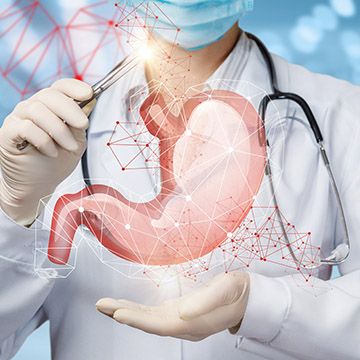
The primary goal of this quick start guide is to introduce you to the world of gastroenterology and provide a comprehensive overview of common digestive disorders, diagnostic procedures, and treatment options. By the end of this guide, you’ll have a clear understanding of how the digestive system works, common gastrointestinal issues, and the importance of maintaining digestive health.
This quick start guide also covers essential information about lifestyle factors that impact digestive health, such as diet, exercise, and stress management. By the time you finish, you’ll feel empowered to take proactive steps towards improving your digestive well-being.
Main Features of Gastroenterology
- Focus on the Digestive System: Gastroenterology is the branch of medicine that focuses on the diagnosis and treatment of diseases of the digestive system.
- Common Conditions:
- Acid Reflux (GERD):
- Frequent heartburn and acid backflow into the esophagus.
- Irritable Bowel Syndrome (IBS):
- Chronic condition characterized by abdominal pain, bloating, and changes in bowel habits.
- Ulcers:
- Open sores in the lining of the stomach or duodenum.
- Inflammatory Bowel Disease (IBD):
- A group of inflammatory conditions affecting the digestive tract, including Crohn’s disease and ulcerative colitis.
- Constipation and Diarrhea:
- Disorders affecting bowel movements.
- Liver Disease:
- Conditions affecting the liver, such as hepatitis, cirrhosis, and liver cancer.
- Pancreatitis:
- Inflammation of the pancreas.
- Acid Reflux (GERD):
Diagnostic Procedures
- Endoscopy:
- Using a flexible tube with a camera to examine the upper digestive tract (esophagus, stomach, and duodenum).
- Colonoscopy:
- Examining the entire colon and rectum with a flexible tube with a camera.
- Endoscopic Ultrasound:
- Using ultrasound waves to examine the lining and walls of the digestive tract.
- Imaging Studies:
- X-rays, CT scans, and MRIs to visualize the digestive organs.
- Blood Tests:
- To assess liver function, detect infections, and identify other abnormalities.
Treatment Options
- Medications:
- To treat symptoms and underlying conditions, such as antacids, proton pump inhibitors, antibiotics, and anti-inflammatory medications.
- Dietary Changes:
- Modifying diet to manage symptoms, such as avoiding trigger foods, increasing fiber intake, and managing lactose intolerance.
- Lifestyle Modifications:
- Managing stress, maintaining a healthy weight, and incorporating regular physical activity.
- Surgery:
- For conditions such as severe acid reflux, colorectal cancer, and certain inflammatory bowel diseases.
Benefits of Seeking Gastrointestinal Care
- Early Diagnosis and Treatment:
- Prompt diagnosis and treatment can prevent complications and improve quality of life.
- Symptom Relief:
- Effective management of digestive symptoms can significantly improve overall well-being.
- Improved Quality of Life:
- Addressing digestive issues can enhance daily activities, reduce discomfort, and improve overall quality of life.
What is the target audience?
- Individuals experiencing digestive symptoms.
- Individuals with diagnosed gastrointestinal disorders.
- Family members and caregivers of individuals with digestive issues.
- Healthcare professionals interested in learning more about gastroenterology.
- Individuals seeking information about digestive health and prevention.
Gastroenterology plays a vital role in maintaining overall health and well-being. By providing accurate and up-to-date information, this guide aims to empower individuals to take proactive steps towards maintaining digestive health and seeking appropriate medical attention when needed.