
Bone Marrow

- Description
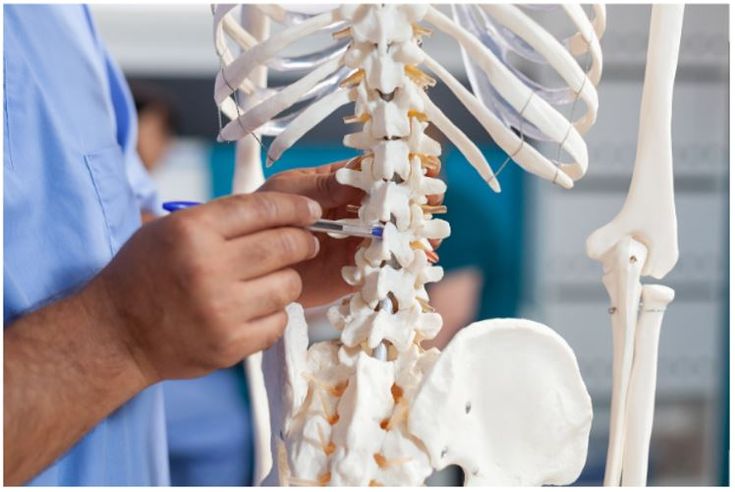
The primary goal of this quick start guide is to introduce you to the world of bone marrow and its vital role in the human body, including its function in blood cell production and its significance in various medical conditions. By the end of this guide, you’ll have a clear understanding of what bone marrow is, how it works, and its importance in maintaining overall health.
This quick start guide also covers essential information about bone marrow diseases, bone marrow transplants, and the importance of bone marrow donation. By the time you finish, you’ll have a basic understanding of this crucial component of the human body and its significance in medicine.
Main Features of Bone Marrow
- Blood Cell Production:
- Bone marrow is the primary site of blood cell production, also known as hematopoiesis.
- It contains stem cells that differentiate into various blood cell types:
- Red blood cells: Transport oxygen throughout the body.
- White blood cells: Fight infections.
- Platelets: Aid in blood clotting.
- Types of Bone Marrow:
- Red Bone Marrow: Primarily responsible for blood cell production.
- Yellow Bone Marrow: Primarily composed of fat and gradually replaces red bone marrow in adults.
Bone Marrow Diseases
- Leukemia: Cancer of the blood-forming cells in bone marrow.
- Lymphoma: Cancer that originates in the lymphatic system but can affect bone marrow.
- Myeloma: Cancer of plasma cells, a type of white blood cell found in bone marrow.
- Aplastic Anemia: A condition where the bone marrow stops producing enough blood cells.
- Myelodysplastic Syndromes: A group of disorders that affect the production of blood cells.
Bone Marrow Transplants
- Treatment for Various Conditions: Used to treat blood cancers, bone marrow diseases, and certain immune disorders.
- Types of Transplants:
- Autologous: Transplanting the patient’s own bone marrow after high-dose chemotherapy or radiation therapy.
- Allogeneic: Transplanting bone marrow from a compatible donor.
- Process: Involves destroying the patient’s diseased bone marrow and replacing it with healthy donor cells.
Bone Marrow Donation
- Saving Lives: Bone marrow donation can save the lives of individuals with life-threatening blood diseases.
- Becoming a Donor: Individuals can register as potential bone marrow donors through national registries.
- Donation Process:
- Involves a simple blood test to determine tissue type.
- If matched with a recipient, the donation process may involve either bone marrow extraction or peripheral blood stem cell collection.
What is the target audience?
- Individuals interested in learning more about the human body.
- Patients diagnosed with blood disorders or undergoing bone marrow transplants.
- Family and caregivers of individuals affected by bone marrow diseases.
- Individuals considering becoming bone marrow donors.
- Healthcare professionals seeking a basic understanding of bone marrow function and diseases.
Bone marrow plays a critical role in human health and well-being. By providing accurate and up-to-date information, this guide aims to increase awareness about the importance of bone marrow, its role in various medical conditions, and the significance of bone marrow donation.