
Vascular Surgery

- Description
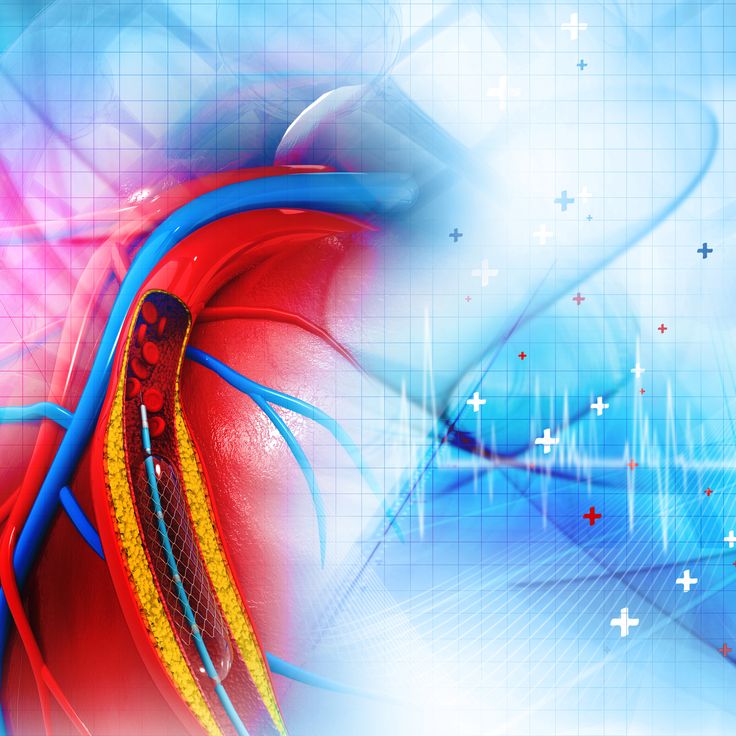
The primary goal of this quick start guide is to introduce you to the world of vascular surgery and provide a comprehensive overview of its role in treating conditions affecting blood vessels, different types of surgical procedures, and what to expect before, during, and after surgery. By the end of this guide, you’ll have a clear understanding of how vascular surgeons address circulatory problems, the potential benefits and risks of vascular procedures, and the importance of a multidisciplinary approach to care.
This quick start guide also covers essential information about preparing for vascular surgery, managing pain and side effects, and finding support resources. By the time you finish, you’ll feel informed and empowered to navigate your vascular care journey.
Main Features of Vascular Surgery
- Treating Vascular Conditions:
- Atherosclerosis: Plaque buildup in arteries.
- Aneurysms: Bulges in weakened blood vessel walls.
- Peripheral Arterial Disease (PAD): Narrowing of arteries in the legs.
- Carotid Artery Disease: Narrowing of arteries in the neck.
- Varicose Veins: Enlarged and twisted veins.
- Deep Vein Thrombosis (DVT): Blood clots in deep veins.
- Types of Surgical Procedures:
- Endovascular Procedures: Minimally invasive procedures using catheters and stents to treat blockages or aneurysms.
- Open Surgery: Traditional surgical techniques involving incisions to repair or replace blood vessels.
- Bypass Surgery: Creating new pathways for blood flow by grafting healthy blood vessels.
- Angioplasty and Stenting: Widening narrowed arteries with balloons and inserting stents to keep them open.
- Aneurysm Repair: Repairing weakened areas in blood vessels.
- Consultation with a Vascular Surgeon:
- Detailed evaluation of your individual condition, including medical history, symptoms, and diagnostic tests like imaging studies.
- Development of a personalized treatment plan tailored to your specific needs and goals.
- Understanding the Risks and Benefits:
- Discussing potential complications, such as bleeding, infection, and nerve damage.
- Weighing the potential benefits of surgery against the risks and exploring alternative treatment options.
Benefits of Spine Surgery
- Improved Blood Flow:
- Relieving symptoms like pain, numbness, and fatigue caused by poor blood circulation.
- Reducing the risk of heart attack, stroke, and limb loss.
- Improved Quality of Life:
- Enhancing daily activities and overall well-being.
- Minimally Invasive Options:
- Reducing pain, scarring, and recovery time with less invasive procedures.
Advanced Techniques and Technology
- Endovascular Techniques:
- Minimally invasive procedures with smaller incisions and faster recovery times.
- Robotic Surgery:
- Utilizing robotic technology for enhanced precision and minimally invasive procedures.
- 3D Imaging:
- Providing surgeons with a more detailed and realistic view of the surgical field.
What is the target audience?
- Individuals diagnosed with vascular conditions who are considering surgery as a treatment option.
- Family and caregivers of patients undergoing vascular surgery.
- Healthcare professionals interested in learning more about vascular surgery procedures and advancements.
- Individuals seeking general information about vascular diseases and treatment options.
Vascular surgery plays a crucial role in treating conditions that affect the circulatory system. By providing accurate and up-to-date information, this guide aims to empower patients and their families to make informed decisions about their vascular care and navigate the surgical journey with confidence.